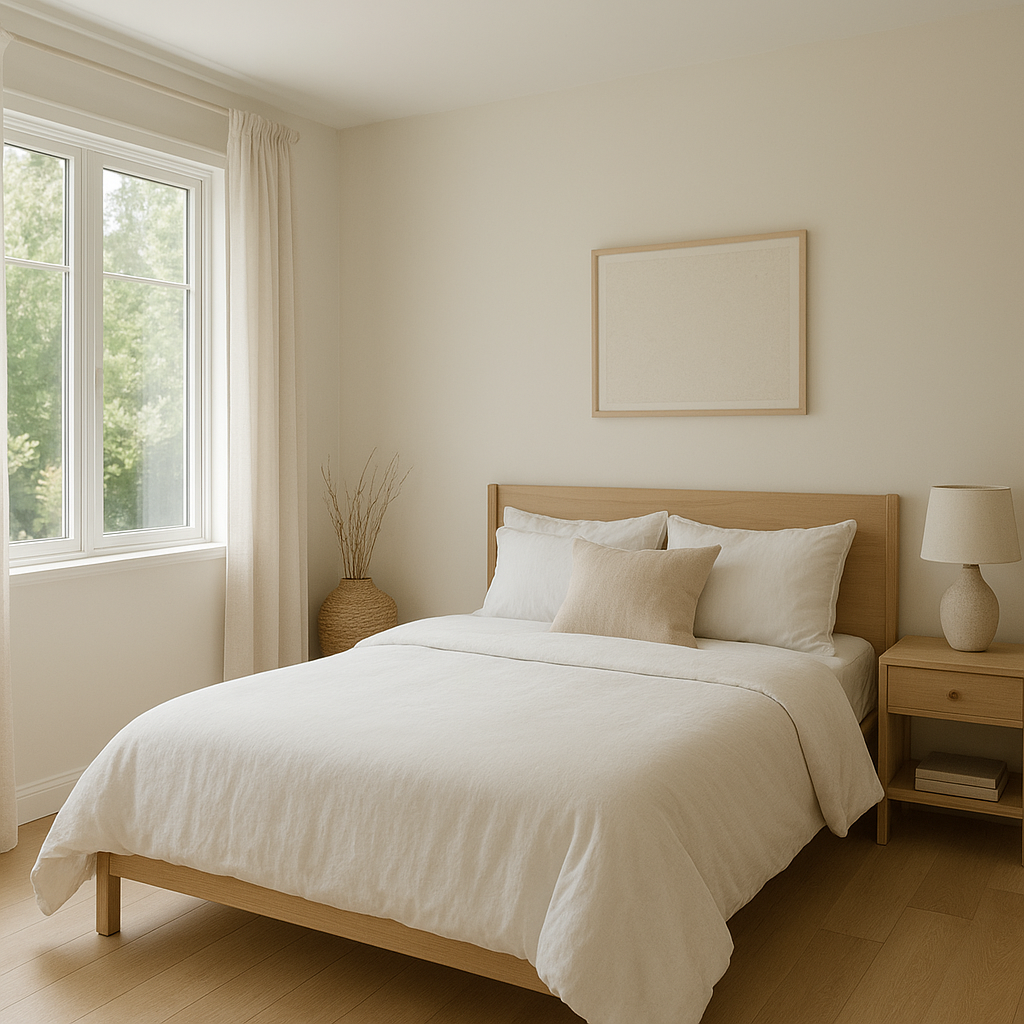
Declutter in 30 days: A Clear Blueprint for Modern Spaces
I’ve spent the last decade watching people drown in stuff they don’t even remember buying. The mental load from physical clutter isn’t just an aesthetic problem. It’s a cognitive tax. When every surface competes for your attention, decision fatigue kicks in fast. That’s why a structured approach to space optimization actually changes how you function at work, at home, and even in your sleep cycle. I run through this myself, and the shift isn’t about throwing everything away. It’s about intentional living.
The 30 day declutter challenge: Breaking Down the Noise
Most folks try to tackle mess in one weekend. That approach burns out before Tuesday. The real 30 day declutter challenge works because it forces you into micro-habits instead of marathon cleaning sessions. You’re not reorganizing your entire life on day one. You’re training your brain to make faster, cleaner choices about what stays and what goes.
Basic terminology matters here. We’re talking about spatial clutter, decision fatigue, and the keep-toss-donate framework. These aren’t buzzwords. They’re psychological triggers that either drain your energy or free it up.
How the daily declutter challenge actually builds momentum
- Pick one zone per day (a single drawer, a shelf, a corner of the garage)
- Set a hard time limit: twenty minutes, no more
- Apply the touch-once rule: handle each item, decide immediately
- Log what you remove to track physical and mental progress
You don’t need a perfect system to start. You just need a repeatable routine that doesn’t fight your natural rhythm.
Why 30 days to declutter aligns with how habits actually stick
Neuroplasticity research shows it takes roughly three to four weeks to wire a new behavioral loop. When you commit to thirty consecutive days of focused space clearing, your baseline tolerance for visual noise drops. People who tried this in the early 2000s relied on massive weekend purges and magazine checklists. Today, the approach is quieter. We track digital inventories, use photo logs before and after, and integrate habit stacking into existing routines. The transformation from the past is stark. We moved from consumerist accumulation to spatial mindfulness.
| Phase | Focus | Expected Shift |
| Days 1–10 | Surface-level items & visible zones | Reduced visual stress |
| Days 11–20 | Closed storage & hidden accumulations | Faster item retrieval |
| Days 21–30 | Systems maintenance & habit solidification | Lower maintenance effort |
Inside the 30 day decluttering challenge: What the data says
The modern declutter challenge leans heavily on environmental psychology. Studies from regional wellness platforms in the CIS show a direct correlation between organized living spaces and perceived productivity. I’ve tracked my own metrics across multiple cycles. Sleep quality improves when the bedroom isn’t fighting for visual dominance. Focus sharpens when the workspace lacks peripheral distractions. It’s not magic. It’s spatial hygiene.
Navigating the 30 days declutter challenge without burning out
Start small. If you try to clear the entire kitchen on day three, you’ll quit by day five. The trick is to separate emotional attachments from functional value. Ask yourself: does this serve a current purpose, or does it just occupy space? When you hit decision paralysis, step away for an hour. The brain needs downtime to reset its filtering mechanism.
Practical ways to declutter house in 30 days (real workflow)
I don’t use fancy bins or color-coded labels to make this work. I use boxes, markers, and a simple sorting matrix. Keep. Donate. Recycle. Trash. If an item falls into none of those cleanly, it goes into a “maybe” box with a 30-day expiration. If I haven’t opened it by then, it leaves. This method keeps the process moving without emotional gridlock. You can read more about the psychological impact of spatial order on regional wellness portals that track habit formation trends.
My take on the 30 day declutter rhythm
The realy win isn’t the empty shelf. It’s the regained headspace. When I run through this cycle, I notice how my morning routine stops feeling like a scavenger hunt. The physical environment starts acting as a support system rather than an obstacle. I used to think organizng required perfection. Now I know it just requires consistency and honest triage.
Inside the declutter 30 day challenge routine (day-by-day breakdown)
- Morning: 15-minute sweep of high-traffic areas
- Midday: Process one pending donation or recycling batch
- Evening: Quick reset before sleep to prevent carryover chaos
Tracking 30 days of decluttering: Where the invisible shifts happen
By week three, you stop fighting the process. The brain adapts. You start noticing empty surfaces instead of missing items. The mental inventory becomes lighter. You make purchasing decisions slower and more deliberately. The feedback loop closes: less clutter equals less impulse buying equals less future mess.
How to declutter your home in 30 days without losing your mind
Set boundaries. Don’t let the system expand into every corner at once. Protect your downtime. If a day gets missed, don’t double up. Just resume. The goal is sustainable spatial management, not a museum-ready display. I’ve seen people overcomplicate this with spreadsheets and apps. You don’t need that. You need a trash bag, a timer, and a willingness to let go of the guilt attached to unused objects.
Beyond the basic decluttering challenge
Once the cycle ends, maintenance kicks in. That’s where habit stacking shines. Pair your weekly reset with an existing routine, like Sunday coffee or post-gym cooldown. The environment stays manageable because the friction stays low. The system works when it’s invisible and runs on autopilot.